reasons not to get dental implants
Reasons Not to Get Dental Implants: When to Postpone, Compare, or Seek an Evaluation

Classify the concern before ruling implants out
A concern about dental implants does not always mean the treatment should be rejected. It may mean that you need to postpone treatment, compare a bridge or another restoration, or arrange an evaluation before making a decision. Implant treatment involves surgery and typically includes a healing period of about three to six months before the final restoration is attached. Bone loss, medical conditions, oral-health findings, and the time or cost involved can all change how that burden fits your situation.
The useful question is not simply, “Are dental implants good or bad?” Ask which part of the decision creates the concern, what information could change it, and which alternatives deserve a direct comparison. That approach gives you a practical way to move forward without treating a general risk statement as a personal verdict.
Use these four categories to sort your concern:
- Treatment burden: You may be weighing surgery, a healing interval, or a later restorative stage.
- Timing or planning: Significant bone loss may mean that additional treatment, such as grafting, is considered before an implant; grafting can add another healing stage.
- Individual factors: Smoking, diabetes, gum disease, and some medication histories may affect implant planning or long-term success.
- Alternative fit: A bridge may avoid implant surgery and may be completed more quickly, although its upfront and longer-term cost pattern can differ.
After you identify the category, choose the next question rather than jumping to a conclusion. A concern about healing calls for a discussion of timing and alternatives. A concern about diabetes or medication calls for a review of your health history. A concern about cost calls for a comparison of the complete treatment paths, not a single procedure price.
The purpose of this triage is to organize a dental conversation. It cannot determine whether implants fit you. The relevant details include your oral findings, health history, imaging, and proposed restoration. Bring the concern that matters most to you, then ask what finding or treatment condition would change the plan.
Account for surgery and the healing burden
Dental implant treatment begins with surgery to place an implant fixture in the jawbone. The fixture typically needs about three to six months of healing before it is connected to an abutment and final restoration. Depending on the plan, the restorative stage may involve a later procedure.
That sequence can be a reason to postpone or compare alternatives if you need a shorter treatment path, want to avoid surgery, or cannot plan around a healing interval. It does not tell you whether another restoration will suit your mouth. It tells you which part of the implant process needs to be weighed against your priorities.
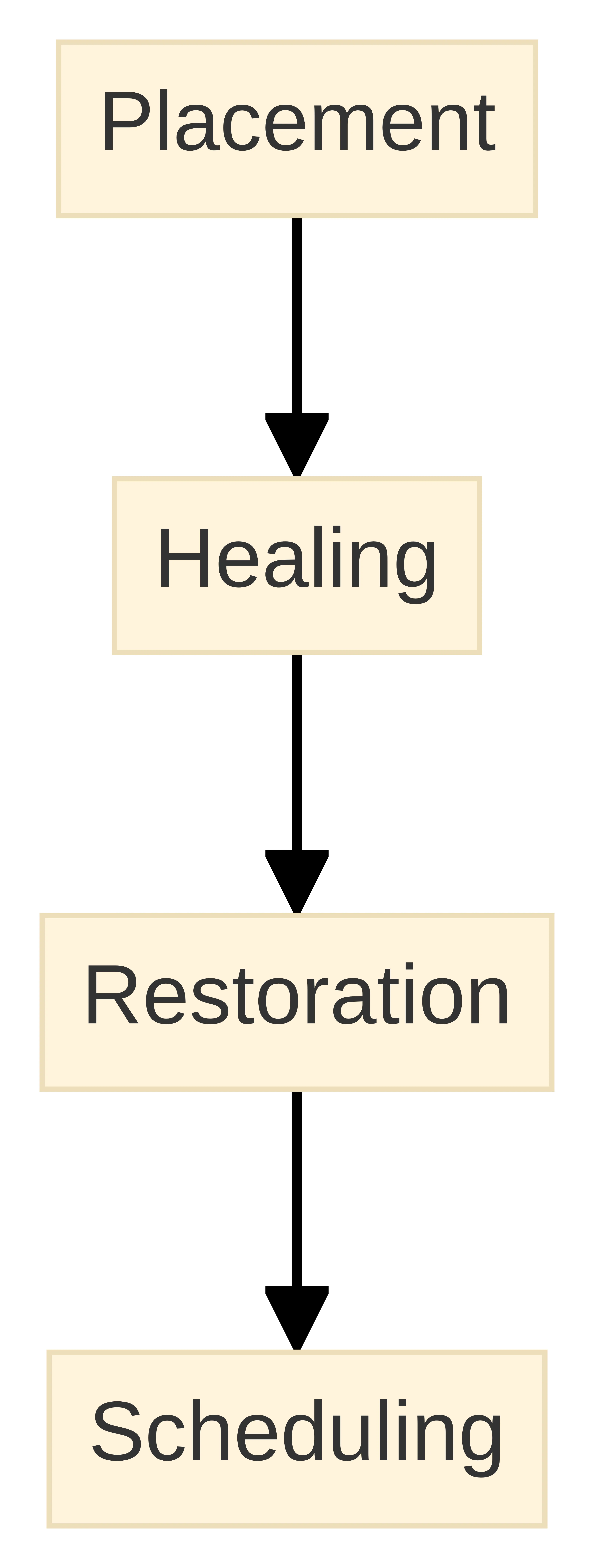
Separate the burden into stages instead of treating recovery as one vague concern:
- Placement: An implant requires surgical placement in the jawbone.
- Healing: The fixture needs a healing period before the next restorative stage.
- Restoration: The abutment and final restoration are attached after the healing period described in the treatment plan.
A bridge changes this comparison. A bridge does not require implant surgery, and bridges are often completed in a couple of visits, while implants require healing and may involve a later procedure for the crown. If the number of stages is your main concern, ask for both paths to be described in visits, healing intervals, and planned procedures.
Use these questions to make the treatment burden concrete:
- What surgical stage is proposed, and what restoration follows it?
- What healing period does this plan require before the next stage?
- Would a bridge change the number of visits or avoid implant surgery?
- Which parts of the schedule are fixed, and which depend on how healing progresses?
- What would postponing treatment change about the proposed sequence?
Ask for answers in plain language. You do not need to decide during the first conversation whether the procedure feels acceptable. You need a clear description of the stages you would be weighing.
Treat bone loss as a planning question, not an automatic verdict
Significant jawbone loss may mean that additional treatment, such as bone grafting, is considered before an implant. Grafting can add another healing stage, so the implant timeline may become longer than the basic placement-and-restoration sequence.
Jawbone loss can also affect whether an implant can be placed immediately. A bridge does not require the same jawbone support, which is one reason it may belong in the comparison when bone volume is a concern. That distinction does not make a bridge automatically appropriate; it identifies a treatment feature that deserves discussion.
The need for bone grafting depends on where and how much bone has been lost, the cause of the loss, your overall health, and the planned restoration. A checklist cannot resolve those variables by itself.
Ask your dentist to explain:
- Where the bone loss is located and how its extent affects the proposed restoration.
- Whether additional treatment is being considered before implant placement.
- What healing stage that treatment would add.
- How the proposed restoration affects the planning decision.
- Which findings would make postponement or a different restoration worth discussing.
This keeps bone loss in the right category: it is a planning issue that may change timing or treatment design, not a universal answer about implant candidacy.
If bone loss is central to your concern, compare the complete paths rather than asking only whether an implant can be placed today. The implant path may include additional treatment and healing. The bridge path does not require the same jawbone support and does not require implant surgery. The meaningful next step is to ask which restoration is being considered for your tooth pattern and what each path would require.
Review medical and oral-health factors before choosing a path
An implant risk assessment may consider smoking, diabetes and HbA1c levels, gum disease, and some medication histories because these factors can affect implant integration or long-term success. These details do not function as a simple yes-or-no screen. They help shape the treatment discussion and may affect timing, planning, or whether alternatives should be compared.
Diabetes deserves a specific conversation. Diabetes can affect healing after implant surgery, and research has reported higher implant failure rates in diabetic patients than in non-diabetic patients. The relevant question is how your diabetes, treatment history, and current health information affect the plan—not whether the diagnosis alone settles the decision.
Some circumstances require added consideration before implant treatment. Active cancer treatment, recent cardiac events, or immunosuppression may lead clinicians to address those conditions first or compare alternative treatments during implant planning.
Tell the dental team about these circumstances rather than leaving them out because they seem unrelated to your teeth. Include your medical conditions, medications, prior dental treatment, gum-health concerns, and any recent change in health that could affect planning. A clear history gives the evaluation the information needed to address the factors that matter.
Before you discuss implants, prepare answers to these questions:
- Do you have diabetes, and is there recent health information your dentist should review?
- Do you smoke or use tobacco?
- Have you been told that you have gum disease?
- Do you take medications that may affect bone or healing, including anti-resorptive therapy?
- Are you receiving active cancer treatment, recovering from a recent cardiac event, or living with immunosuppression?
- What concerns you most: healing, surgery, timing, cost, or the possibility of another restoration?
These questions organize the conversation; they do not diagnose a problem or disqualify you. If a medical factor is present, ask what it changes in the proposed plan and whether postponement or another restoration should be considered.
Put implant survival evidence in context
Implant survival figures depend on what counts as failure and how the implants were followed. In one U.S. practice-based study of 922 implants followed for an average of four years, survival was 93.0% when failure meant physical loss of the implant. When excessive bone loss was also counted in the failure criteria, survival was 81.3%.
Those two figures measure different endpoints. The second is not a revised version of the first; it uses a broader definition of failure. That distinction matters when you read a single percentage and try to apply it to your own decision.
The study gives context, not a personal prediction. It does not compare implants with bridges, and it does not replace an assessment of smoking, diabetes, gum disease, medication history, bone condition, or other treatment factors. Ask which outcome your dentist is discussing when using the word “success,” how the proposed plan addresses your risk factors, and what findings would change the restoration choice.
You can also ask whether the treatment estimate and follow-up plan describe what happens if healing, integration, or the surrounding bone becomes a concern. Keep the statistic attached to its study population, follow-up period, and definition of survival.
Compare bridges by the trade-off that matters most
A bridge can be a meaningful alternative to discuss when surgery, healing time, bone loss, or upfront cost makes implants less appealing. The comparison below stays with the trade-offs supported by the available information.
| Shared criterion | Dental implants | Dental bridges |
|---|---|---|
| Surgical placement | Requires surgical placement in the jawbone. | Does not require implant surgery. |
| Treatment timing | Requires a healing period after placement and may involve a later procedure for the crown. | Often completed in a couple of visits. |
| Upfront cost | May cost more upfront than a bridge. | May cost less upfront than implants. |
| Jawbone support | Jawbone loss can affect immediate placement and may lead to consideration of grafting. | Does not require the same jawbone support. |
| Longer-term cost | The complete cost depends on the proposed treatment plan. | Long-term costs can differ because a bridge may need replacement. |
Use the criterion that actually creates difficulty for you. If avoiding surgery is your priority, focus on the surgical distinction. If you need a shorter sequence, compare the visits and healing stages. If cost is the concern, compare the full plan rather than assuming that a lower upfront amount will remain lower over time. If bone loss is part of the picture, ask how each restoration uses or avoids the available jawbone support.
The table does not rank the options. It gives you a shared set of questions for discussing the trade-off with your dentist.
Ask for a side-by-side explanation of:
- The procedures required for each option.
- The number of visits and healing stages.
- The upfront amount and the components included in the plan.
- The possibility of later replacement or additional treatment.
- How jawbone condition affects the proposed restoration.
If you are considering a bridge because implants feel too burdensome, say which burden matters most. That makes the comparison specific instead of turning it into a general preference for one restoration.
Use a question-led evaluation to resolve uncertainty
An evaluation should turn general concerns into a treatment discussion about your teeth, health history, imaging, and planned restoration. Bring a short list rather than trying to remember every concern during the appointment.
Add a four-part note to the answers:
- Finding: What the examination, health history, or imaging shows.
- Effect on the implant plan: Whether the finding changes timing, means grafting or another preparatory treatment is being considered, or affects the healing sequence.
- Bridge comparison: Whether a bridge would avoid implant surgery, change the number of visits, use jawbone support differently, or change the upfront-versus-later cost question.
- Open decision: What remains unclear and what answer would cause you to postpone, compare, or proceed to the next planning step.
This format keeps findings, trade-offs, and unanswered questions separate. For example, bone loss can be recorded with its location and extent, its cause when known, the proposed restoration, and whether grafting is being considered—not as a simple yes-or-no label. A medical or medication factor can be recorded alongside the clinician’s explanation of how it affects planning, rather than treated as an automatic exclusion. If the evaluation does not resolve a concern, ask what additional information or discussion is needed before choosing between the implant and bridge paths. The note is a communication aid, not a determination of suitability.
Before leaving, repeat back the proposed sequence in your own words: surgery, healing, restoration, and any preparatory treatment. Confirm which points are established by current findings and which are still being considered. That makes it easier to compare plans without assuming that a possibility is a requirement.
Start with the decision question: “What would make you recommend proceeding now, postponing treatment, or comparing a bridge?” Then ask how your jawbone condition, gum health, diabetes or other medical factors, medication history, and treatment goals affect that answer. If grafting or another preparatory stage is being considered, ask what it adds to the healing sequence.
Take these questions with you:
- What is the proposed restoration, and why is it being considered for my missing or damaged tooth?
- What does my imaging show about the location and extent of bone loss?
- Would I need grafting or another treatment before implant placement, and what healing stage would that add?
- How do my medical conditions, diabetes information, gum health, smoking, or medication history affect planning?
- What would the implant sequence involve from surgery through final restoration?
- How would a bridge compare in procedures, visits, healing, jawbone support, and cost?
- Which concern should be resolved before I decide whether to proceed?
The last question helps you distinguish a missing fact from a fixed limitation. You can then focus the next conversation on the issue that could actually change your treatment path.
We offer restorative dentistry using crowns, bridges, inlays and onlays, and dental implants to replace or rebuild damaged and missing teeth. Our first visit takes about 60 to 90 minutes and includes a comprehensive exam, full-series digital X-rays, a cleaning if gum health allows, and a written treatment plan.
That visit gives you a structured setting for the questions above. Bring your medication list, relevant health information, prior dental records if available, and your main concern about surgery, healing, timing, cost, or alternatives.
Choose whether to postpone, compare, or seek evaluation
Postponement does not mean that implants are permanently unavailable. It means the relevant condition should be addressed in the treatment discussion first.
Ask what must be reviewed, treated, or clarified before implant placement is considered. Leave the appointment with that condition and the next decision point written down.
Compare alternatives when the implant burden conflicts with your priorities. A bridge may deserve comparison if you want to avoid implant surgery, prefer a treatment that is often completed in a couple of visits, need to examine a lower upfront cost, or have jawbone loss that affects immediate implant placement. The longer-term cost can differ because bridges may need replacement, so compare the complete paths rather than choosing from the initial amount alone.
Ask for the implant and bridge plans to be described using the same criteria. Choose only after the proposed restoration, procedures, timing, bone support, and cost have been discussed.
Seek an evaluation when uncertainty is the main barrier. This branch fits when you know you need tooth replacement but do not know whether your bone condition, health history, healing concerns, or treatment priorities change the options. Use the appointment to connect your questions with an examination, digital X-rays, and a written treatment plan.
Do not turn a general reason not to get dental implants into a personal conclusion before those details are reviewed. Arrange the evaluation, bring your questions, and ask which path the findings support.
Take the next step with your concerns clearly prepared
Dental implants may be worth postponing when healing, bone condition, or a medical factor needs attention. They may be worth comparing with a bridge when surgery, treatment time, jawbone support, or upfront cost does not fit your priorities. When the answer remains unclear, an evaluation can connect those concerns with your examination, history, imaging, and treatment plan.
Write down your main concern, the health factors or medications you want discussed, and the questions that would change your decision. A qualified dental professional must determine individual suitability after reviewing those details. You can begin with a focused conversation rather than trying to decide from a general list of risks.
Questions to ask before deciding against implants
How does jawbone loss affect dental implant candidacy?
Significant jawbone loss may require additional treatments like bone grafting before an implant can be placed. This can extend the overall treatment timeline and should be discussed with your dentist.
What medical factors should be considered before getting dental implants?
Factors such as smoking, diabetes, gum disease, and certain medications can affect the success of dental implants. A thorough assessment of these conditions is important for planning.
What are the differences between dental implants and bridges?
Bridges do not require surgical placement and can often be completed in fewer visits compared to implants, which involve surgery and a healing period.
What questions should I ask my dentist during an evaluation for dental implants?
Prepare to ask about the proposed restoration, the extent of any bone loss, the need for additional treatments, how your medical history affects planning, and how a bridge compares to implants.
When should I consider alternatives to dental implants?
Consider alternatives like bridges if you want to avoid surgery, need a quicker treatment option, or have concerns about jawbone support or upfront costs.
What should I do if I am uncertain about proceeding with dental implants?
If uncertainty is your main concern, seek an evaluation to connect your questions with a comprehensive assessment of your dental and medical history.
Need help applying this?
Talk to a billing specialist who knows your payer mix.
Westborough Dental Care welcomes new patients in South San Francisco. Book a visit to meet Dr. Zoulas and the team.
Schedule a meeting