
pediatric preventive dentistry
Pediatric Preventive Dentistry: A Parent’s Care Plan
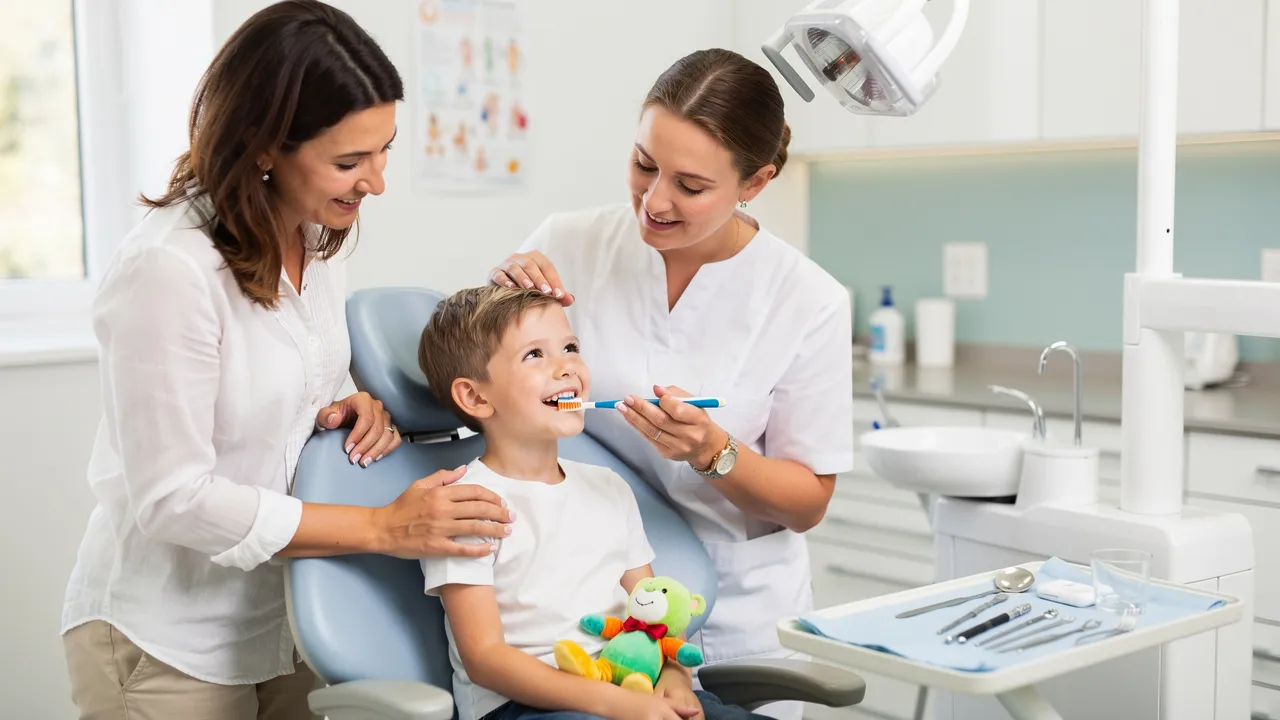
Start with your child’s stage and risk
A useful pediatric prevention plan begins with your child’s current stage and changes as new teeth, habits, and risks appear. Preventive dentistry includes routine visits and home habits that help prevent cavities, gum disease, and other dental problems. For your child, that care can include a dental home, oral-hygiene instruction, dietary guidance, fluoride-related prevention, regular examinations, and safety practices that help avoid orofacial trauma.
The goal is continuity rather than a single appointment. Daily brushing and cleaning between teeth create the home routine. Dental visits add examination, professional cleaning, risk assessment, guidance, and follow-up. Preventive care supports healthier teeth and gums, but it cannot guarantee that every cavity, injury, or other dental problem will be prevented.
A dental home gives you a place to bring questions as your child grows. The care plan can change as teeth erupt, brushing skills develop, eating patterns change, and clinical findings alter the child’s needs. This partnership also gives your child repeated, familiar contact with dental care instead of making the first visit happen only after pain begins.
Preventive tools become discussion points at different stages. For children ages 0 to 3, AAPD materials list daily brushing with fluoridated toothpaste, professional topical fluoride, appropriate fluoride exposure, and regular dental care among protective factors.
Sealants can be another discussion point when a child has suitable pits and fissures. That result describes a studied group and does not determine whether sealants suit your child.
Use each visit to set the next checkpoint: what to practice at home, what the dental team will monitor, and which changes should prompt an earlier appointment.
Start the partnership early
A child’s first dental examination should occur when the first tooth erupts and no later than 12 months, according to the AAPD schedule. The AAP recommends a first dental visit by age 1 year, while the ADA recommends a visit within 6 months of the first tooth’s eruption and no later than age 12 months. After that, repeat examinations may occur every 6 months or as the child’s risk and susceptibility to disease indicate.
An early dental visit establishes a dental home, lets the dentist assess oral development, and gives you an opportunity to ask questions and receive oral-hygiene guidance. Early dental visits can also help children become familiar with dental care and establish a lasting routine. Waiting for pain can make the first appointment feel like a response to a crisis rather than the beginning of ordinary care.
If your child is older than 12 months and has not had a dental examination, arrange a visit rather than treating the missed timing as a reason to delay further. A dental professional can help determine the next examination schedule.
A preventive dental visit may include more than a cleaning. Depending on your child’s needs, an appointment may address:
- An oral examination and caries-risk assessment.
- Professional preventive procedures and fluoride-related care.
- Radiographs when clinical findings, age, cooperation, or dental history make them useful.
- Guidance about brushing, diet, development, habits, and injury prevention.
- Sealant placement when the teeth and risk pattern make it appropriate.
Anticipatory guidance and counseling are essential parts of a child’s dental visit. The conversation matters because your questions may reveal a brushing challenge, frequent sugary drinks, a feeding concern, or a change in how your child responds to chewing. Bring those details to the appointment so the discussion can address your child’s daily life rather than only the visible teeth.
Home-care skills also develop over time. Begin flossing once your child’s teeth start to touch, around age 2 to 3. When your child can brush effectively, around age 6 to 7, supervise brushing and encourage independent brushing. The exact transition depends on how well your child can clean every surface, not only on reaching a particular birthday.

Let assessed risk shape the plan
A child’s assessed risk should shape preventive care instead of forcing every child into an identical schedule. Caries-risk assessment should be part of new and periodic examinations and should consider age, biological factors, protective factors, and clinical findings. A dental home may tailor preventive care to caries and periodontal risk while providing guidance on hygiene, development, diet, nutrition, and injury prevention.
Classifying caries risk as low, moderate, or high may help guide referrals and the timing and intensity of care. A risk category is not a precise prediction of what will happen. Use it as a way to organize questions and follow-up with the dental professional.
Continuity of dental care is based on your child’s assessed needs and supports appropriate management of oral conditions, dental disease, and injuries. That means the next visit may depend on findings from the current one, your child’s home routine, and changes in susceptibility rather than on a fixed calendar alone.
For children ages 0 to 3 years, AAPD risk-assessment materials identify more than 3 between-meal sugar-containing snacks or beverages per day, sugary bedtime bottles, and certain clinical findings as risk-related factors. Visible cavities or fillings, plaque, white-spot lesions, and enamel defects are among the findings that should be discussed with a dental professional.
Protective factors deserve equal attention. Tell the dentist how often your child brushes, whether the toothpaste contains fluoride, what water your child usually drinks, whether the teeth are cleaned between them, and whether regular dental care has been established. This information helps turn a general appointment into a practical plan.
Routine dental care has a wider place in a child’s health schedule. AAPD material reports that children aged 6 to 12 years are, on average, 4 times more likely to visit a dentist than a pediatrician. That comparison describes average visit patterns, not a rule about how often your child should see either professional.
Primary-care screening and dental care are not interchangeable. The USPSTF says there is not enough evidence to determine the balance of benefits and harms of routine caries screening by primary-care clinicians in children younger than 5 years. Continue to raise oral-health questions with your child’s dental professional, while sharing relevant information with the pediatrician as well.
Match home care to your child’s stage
Brushing is the first home-care checkpoint, and the routine should change as your child develops. Brush children’s teeth twice a day with fluoride toothpaste, and watch children younger than 6 years while they brush. The CDC advises using a pea-sized amount for children younger than 6 years and having them spit out the toothpaste rather than swallow it. ADA educational material also describes two minutes of brushing twice a day, with a smear of fluoride toothpaste the size of a grain of rice for young children and a pea-size amount for older children.
Because these U.S. educational instructions use different age descriptions and amounts, toothpaste guidance can vary for some children under 6. Ask your child’s dentist or pediatrician which amount fits your child’s age and ability to spit. Supervise brushing until your child can spit out toothpaste instead of swallowing it, around age 6.
As brushing skills develop, an adult can help reach the front, back, and chewing surfaces, watch the toothpaste amount and swallowing behavior, and continue assisting until the child can clean effectively and spit reliably.
Clean between your child’s teeth daily, for example with dental floss. Ask the dentist to show you how to work around tight contacts and how to adapt the routine as more teeth touch.
Food and drink patterns matter alongside brushing. For hydration, use fluoridated water as the preferred drink, and avoid added sugars for children younger than age 2. Limit snacks, candy, juice, soft drinks, and sticky treats; encourage fruits, vegetables, lower-sugar foods, and fluoridated water.
Discuss feeding practices, refined carbohydrates, and snacking frequency with the dentist. Dietary habits established early may affect a child’s oral health, so describe the ordinary pattern rather than trying to report only the occasional treat.
Pacifier and feeding habits are also part of prevention. Do not put pacifiers or feeding spoons in your mouth because cavity-causing germs can pass to your child; rinse pacifiers with water to clean them. Ask the dental professional about any bottle, cup, nighttime feeding, or snack routine that is difficult to change. A small, specific adjustment is easier to practice when you understand the reason for it.
Match preventive tools to the question
Fluoride-related care should answer a specific question about exposure and risk. For children younger than 5 years whose water supply is deficient in fluoride, the USPSTF recommends discussing oral fluoride supplementation starting at age 6 months with a qualified clinician.
For children younger than 5 years without signs or symptoms of dental caries, the USPSTF recommendation includes oral fluoride supplementation beginning at age 6 months when the water supply is fluoride-deficient and fluoride varnish beginning at primary-tooth eruption. AAPD guidance states that children at increased risk for caries should receive professional fluoride treatment, such as 5% sodium fluoride varnish or 1.23% acidulated phosphate fluoride.
Ask about your child’s drinking water, existing fluoride exposure, age, teeth, and caries risk before discussing supplements or professional treatment. Do not choose an oral supplement based only on a general description of another child’s care.
A professional cleaning answers a buildup question: it removes plaque, staining, and calculus from the teeth. Cleaning is one part of prevention, not a substitute for brushing, cleaning between teeth, dietary guidance, or examination.
X-rays answer a different question. X-rays may help assess cavities, trauma, and tooth and jaw development, but the need for them depends on your child’s age, clinical need, cooperation, and dental or symptom history. Ask what the proposed image is meant to assess and how the result would affect the next decision. The answer should relate to your child’s clinical situation.
Sealants address pits and fissures that may be difficult to clean. AAPD guidance says sealants are effective in preventing and arresting pit-and-fissure lesions in primary and permanent molars and can minimize progression of noncavitated occlusal lesions. In children and adolescents with sound occlusal surfaces, sealants reduced occlusal cavities in permanent molars by 76% after 2 to 3 years of follow-up compared with no sealants.
Use that evidence as a question prompt, not as an automatic recommendation. Ask whether your child’s molars have suitable surfaces, whether a lesion is present, how the tooth is being cleaned, and what follow-up would be needed. The dentist can connect the answer to the child’s examination and assessed risk.

Set the first dental checkpoint
The first dental visit establishes an early checkpoint for oral development, home care, and questions about risk. Talk about the visit reassuringly, use a book or video, and play dentist at home. Schedule outside your child’s nap time and make sure your child has eaten beforehand. Keep the explanation simple and avoid promising that nothing will feel unfamiliar; instead, describe the visit as time to meet the dental team and look at the teeth.
A short preparation list can help:
- Tell your child when the visit will happen and what you will do together.
- Practice opening the mouth and counting teeth during pretend play.
- Choose a book or video that presents dental care calmly.
- Bring a comfort item if the dental office permits it.
- Write down questions before the appointment so you can raise them even if the visit feels busy.
Your questions should connect dental advice to daily routines. Ask:
- How should I brush and clean between my child’s teeth at this age?
- Which toothpaste amount should I use, and when should I expect my child to spit reliably?
- Does my child need fluoride varnish or a discussion about fluoride in drinking water?
- How do feeding practices, refined carbohydrates, and snacking frequency affect the plan?
- How often should my child receive examinations based on assessed risk?
- Are sealants relevant to the teeth that are present now or likely to erupt soon?
- Which changes should make me call before the next routine visit?
For early-childhood-caries prevention, discuss dietary modifications, fluoride use, oral hygiene, and the appropriate frequency of dental examinations with the child’s dental professional. The AAPD notes that dietary habits established early may affect a child’s oral health, so your detailed answers give the conversation useful context.
If another practice has cared for your child, bring any available dental records or X-rays; they can add context to the discussion of current risk.
Choose a dental home that adapts with your child
A dental home should adjust its follow-up as a child’s teeth, habits, and assessed risks change. A dental home provides continuous, coordinated, family-centered care with comprehensive assessment and preventive services. It may tailor preventive care to caries and periodontal risk while offering guidance about hygiene, development, diet, nutrition, and injury prevention.
At each stage, ask:
- How does the practice assess caries risk and set the next follow-up?
- What should change in brushing, fluoride, diet, or sealant discussions as teeth erupt?
- How will the team adapt guidance as my child’s brushing skills develop?
- Which signs should prompt a call before the next routine visit?
- How will the practice track changes in my child’s teeth and needs over time?
Starting this relationship early gives the dentist a reference point for the child’s development and may make care more effective and less costly than relying on emergency facilities or hospitals. That possibility supports arranging routine care before an urgent problem forces the decision, but it does not replace evaluation when your child already has pain, swelling, trauma, or another immediate concern.
After identifying the questions that fit your child’s stage and risk, confirm the practical terms of ongoing care. Ask how the practice handles insurance, what services are included in a routine visit, and what payment options apply if your child does not have dental insurance. Keep those questions separate from the clinical question of which care your child needs.
We verify your benefits before treatment, accept 14 in-network PPO carriers, and offer an in-house membership plan for uninsured patients with various pricing tiers. These practice-specific details can be considered alongside the age-and-risk questions above.

Recognize when routine care needs prompt evaluation
The decision path changes when ordinary brushing or eating reveals a possible problem. Watch for wincing, avoiding certain foods, or touching the cheek often. Discoloration, chipped or cracked teeth, or misaligned teeth can signify tooth decay, an injury, or a potential orthodontic problem and should be discussed with a dental professional.
Arrange prompt dental evaluation rather than waiting for spots to grow or cause pain.
A loose, moved, or knocked-out tooth is an exception to routine timing. If your child’s tooth is knocked out, seek immediate evaluation by a pediatric dentist, whether it is a baby tooth or an adult tooth. If a hit to your child’s mouth makes a tooth loose or moves it, seek urgent dental care.
Do not wait for a routine cleaning after a significant mouth injury. Call a qualified dental professional first for handling instructions and immediate evaluation.
Acute dental pain does not automatically mean that antibiotics are the answer. For acute pulpitis, a dental professional may use pulpotomy, pulpectomy, or extraction. Antibiotics are not indicated or effective when an infection is contained in the pulp or immediately surrounding tissue and there is no fever or facial swelling. Do not self-prescribe leftover antibiotics or use someone else’s prescription; arrange qualified dental evaluation so the cause and treatment can be assessed.
Risk-based prevention should never replace direct assessment when a child already has symptoms. The USPSTF finds a moderate net benefit from recommended-dose fluoride supplementation for preventing future cavities in children older than 6 months whose water supply is deficient in fluoride, but supplementation is not a response to every urgent complaint. Symptoms, injury, and clinical findings still require a direct assessment.
Apply the age-and-risk questions locally
At Westborough Dental Care, every preventative visit includes a professional cleaning and a home-care plan tailored to specific risk factors. Use those stated components as prompts when discussing your child’s current stage, risk factors, and examination findings.
Westborough Dental Care treats patients of all ages and offers a Child Membership Plan for patients 13 and under who do not have dental insurance. When contacting the practice about a child in South San Francisco or nearby Daly City, describe the child’s current brushing stage, dietary pattern, fluoride questions, and any symptoms so the conversation can focus on the relevant next questions.
Start the conversation
A useful next step is to gather your child’s age, last dental visit, brushing routine, fluoride exposure, usual drinks and snacks, and any changes in eating or tooth behavior. Bring those details to a qualified dental professional, who can decide which preventive services and visit timing fit your child’s individual findings.
Questions parents may ask before arranging preventive care
What should I ask about insurance and payment for my child’s preventive dental care?
Ask whether the practice accepts your plan, which preventive services are covered, whether benefits will be verified before treatment, and what payment or membership options apply without insurance. Keep coverage questions separate from the clinical decision about which care your child needs. Westborough Dental Care states that it verifies benefits before treatment, accepts 14 in-network PPO carriers, and offers an in-house membership plan for uninsured patients.
What information should I gather before arranging a child’s preventive dental visit?
Note your child’s age, last dental visit, brushing and between-teeth cleaning routine, fluoride exposure, usual drinks and snacks, medications, and any changes in eating, chewing, sensitivity, or tooth appearance. Bring relevant dental records or X-rays if available, and write down questions about risk, follow-up timing, fluoride, sealants, and home care. This gives the dental professional practical context for adapting preventive care to your child.
Need help applying this?
Talk to a billing specialist who knows your payer mix.
Westborough Dental Care welcomes new patients in South San Francisco. Book a visit to meet Dr. Zoulas and the team.
Schedule a meeting