
mercury teeth filling
Mercury Teeth Fillings: What the Evidence Means and When to See a Dentist
Start with the decision the evidence can support
Mercury teeth fillings require a measured dental decision, not an automatic conclusion that the filling has caused disease. Dental amalgam contains approximately 50% elemental mercury by weight.
The practical question is not simply, “Does this filling contain mercury?” The practical questions are whether the filling is in good condition, whether the tooth needs attention, whether you have symptoms or a relevant personal circumstance, what alternatives are suitable, and what benefits and risks belong to each option. Those questions lead toward monitoring, repair, replacement, or a new filling only after a dental evaluation.
A dental appointment can keep the discussion focused on the decision you actually face:
- For an existing filling: ask about its condition and whether there is a dental reason to repair or replace it.
- For a proposed filling: The ADA’s 2020 statement describes dental amalgam as a cavity-filling option, but it does not establish current U.S. use; ask your dentist whether amalgam is offered for this tooth and which material choices are suitable.
- For a health concern: separate the known possibility of exposure from the much stronger claim that a filling caused a particular disease.
- For pregnancy: discuss the choice of filling material and any repair or replacement of an existing amalgam with your dentist.
- For a damaged filling or new symptom: arrange an evaluation rather than trying to interpret the cause yourself.
The goal is a clear conversation about your tooth and your options. General information can prepare that conversation, but it cannot select treatment for you.
What “mercury filling” means
Dental amalgam is a restorative material that contains approximately 50% elemental mercury by weight. The material combines mercury with other metals, and the American Dental Association’s patient information describes the resulting amalgam as a stable material. The phrase “mercury filling” usually refers to this amalgam material, not to a filling made from pure liquid mercury.
Dental amalgam does not contain methylmercury, the form associated with seafood exposure. That distinction matters because the word “mercury” covers different forms and exposure contexts. A question about an amalgam filling should therefore identify the material involved instead of treating every mercury reference as the same health question.
The ADA’s patient information also says amalgam releases an extremely small amount of mercury vapor. That statement describes a release from the material; it does not, by itself, establish that an existing filling has caused a disease or explain an individual symptom.
Mercury exposure can occur during placement and removal of dental amalgam, particularly when appropriate safety measures are not in place. The World Health Organization identifies both placement and removal as stages at which exposure can occur. The same source discusses environmental releases across the material’s lifecycle, which is a broader public-health and environmental concern than the question of whether one intact filling has caused illness.
You can use that distinction when you speak with a dentist: ask separately about the material, the condition of the filling, and the conditions of any proposed procedure. A broad concern about mercury should not replace an examination of the specific tooth.
Separate exposure from disease causation claims
Evidence about the general population does not determine the condition of your tooth or the cause of a symptom.
The International Association for Dental Research reports that the cited studies of amalgam removal did not show a meaningful decrease in blood mercury levels even years after removal. The same source says the evidence linking removal with relief of unexplained symptoms was unclear and that the studies could not separate treatment effects from other effects.
Those findings do not turn every symptom into proof that amalgam is harmless for every person, nor do they prove that removing an amalgam will resolve an unexplained complaint. They set a narrower boundary: a symptom, a mercury concern, and a causal conclusion are three different things. A dentist must assess the tooth and your circumstances before connecting any complaint with a filling.
The WHO notes that exposure can occur during those procedures, especially without proper safety measures. The ADA’s position addresses the general population, and the IADR’s removal discussion addresses findings from cited studies rather than every possible clinical circumstance.
A useful way to hold these points together is:
- Material: amalgam contains elemental mercury.
- Exposure: exposure can occur in particular settings, including placement and removal.
- Health conclusion: the available cited positions do not support treating mercury’s presence alone as proof that an existing filling caused a disease.
- Decision: the condition of the restoration and the clinical reason for treatment still matter.
That sequence keeps concern in proportion without dismissing it.
Why the word mercury is not enough to decide
An existing amalgam filling’s condition is more useful for decision-making than the word “mercury” by itself.
A filling that is intact and in good condition therefore leads to a different conversation from a filling that is damaged or associated with a dental finding. The material label alone cannot tell you which conversation applies.
Replacing every amalgam filling solely to eliminate the possibility of mercury exposure is not recommended by the Agency for Toxic Substances and Disease Registry. ATSDR states that removal can temporarily expose you to a greater amount of mercury. The IADR also reports no meaningful long-term decrease in blood mercury levels after removal in the cited studies.
The point is not that replacement is never appropriate. A dentist may identify a reason to repair or replace a restoration. The point is that removal has its own exposure consideration, so “remove it because it contains mercury” is not a complete treatment rationale.
A sound question changes from “How do I get mercury out?” to “What does this tooth need, and what are the benefits and risks of each available material?” The ADA advises discussing the benefits and risks of amalgam and other restorative materials with a dental provider before choosing a filling. ATSDR’s guidance adds a direct boundary against replacing all amalgam fillings solely to remove the possibility of exposure.
If the filling is damaged, if a dentist identifies a possible allergic reaction, or if you have a symptom you want assessed, bring that specific issue to an appointment. Do not let a general internet conclusion determine whether your restoration should be altered.
What can change the material decision
The material decision belongs to a discussion between you and your dentist about the tooth being treated. The American Dental Association says patients should discuss the benefits and risks of dental amalgam and other restorative materials with their dental provider before choosing a filling. That guidance supports comparing options in the context of the proposed restoration rather than selecting a material from its name alone.
For a proposed filling, ask what the dentist sees, what the restoration is intended to address, which materials are suitable, and what each option would involve. For an existing filling, ask whether the restoration is in good condition and what specific finding would justify repair or replacement.
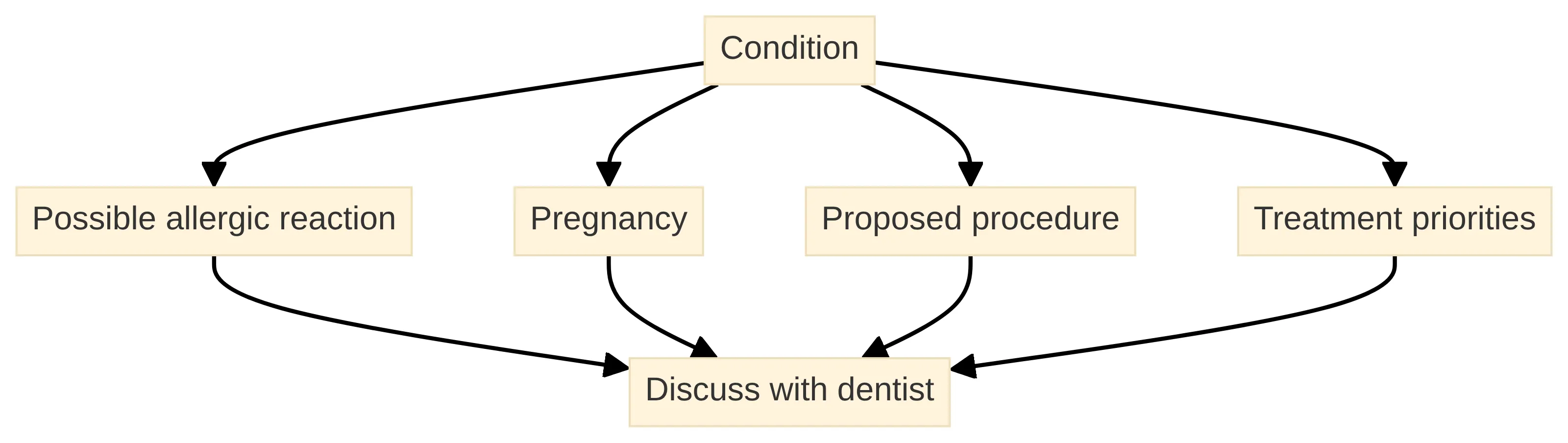
Several circumstances can change the conversation:
- Condition: A filling that is intact and in good condition is not automatically a candidate for removal solely because it contains mercury.
- Possible allergic reaction: The IADR identifies an allergic reaction as an exception to its general position against removing an intact amalgam.
- Pregnancy: ATSDR says the choice between amalgam and a non-mercury material, as well as repair or replacement of an existing amalgam, should be decided in consultation with your dentist during pregnancy.
- A proposed procedure: Placement and removal can involve exposure, particularly when proper safety measures are not used, so ask how the planned procedure will be managed.
These factors do not produce a universal answer. They identify the subjects that belong in your appointment.
A personal concern about mercury is a valid reason to ask focused questions, but it is not by itself a clinical finding. You can say what worries you, identify whether the filling is existing or proposed, and ask the dentist to explain the condition of the tooth and the available restorative materials. If you are pregnant, include that information before discussing repair, replacement, or a new filling.
The same approach applies if you have heard that a particular material is always preferable. The cited guidance supports an informed comparison, not a blanket rule that every person should receive one material or have another removed.
When an evaluation becomes the sensible next step
A dental evaluation is the sensible next step when you need to know whether an existing filling is intact, whether a damaged restoration needs attention, whether a symptom relates to the tooth, or whether a proposed material fits the treatment being considered. The ADA directs patients to discuss restorative options with a dental provider, and the IADR’s recommendation about intact amalgam depends on a dentist identifying a reason for removal.
You do not need to decide the treatment before making the appointment. The appointment is where the condition of the restoration and the reason for any proposed change can be examined.
Bring a short, factual description of the issue:
- whether the filling is existing or has been proposed;
- what you have noticed about its condition;
- any symptom you want assessed and when you noticed it;
- whether pregnancy is relevant to the timing or material discussion;
- what you want to understand about amalgam, non-mercury materials, repair, or replacement;
- whether your concern is exposure, appearance, tooth function, or a possible reaction.
This list is a conversation aid. It does not diagnose the tooth or establish that a filling caused a symptom.
We offer general dentistry services including fillings, crowns, gum care, and more. We also hold time in our daily schedule for urgent visits. If you need an evaluation of an existing or proposed filling, describe the concern when you contact a dental practice so the appointment can be directed appropriately.
A concern about a damaged filling or a symptom should not become an unsupervised removal project. Placement and removal can involve mercury exposure, and the WHO specifically notes the importance of proper safety measures during those stages.
Questions to bring to the dentist
A focused question list can keep the appointment centered on your tooth, the restoration, and the decision you need to make.
You can ask:
- What material is in this filling, and what is its condition?
- Is there a dental reason to repair or replace it, or is it in good condition?
- What finding would make monitoring reasonable, and what finding would make treatment necessary?
- If replacement is being considered, what are the benefits and risks of amalgam and the other restorative materials suitable for this tooth?
- What exposure considerations apply during removal and placement?
- What safety measures will be used for the planned procedure?
- Could the symptom I am describing have another dental explanation, and what will you examine?
- If I am pregnant, how does that affect the timing, repair decision, or choice between amalgam and a non-mercury material?
- If the filling is left in place, what should I watch for and when should I return?
- If the filling is replaced, what specific reason makes replacement preferable to leaving it in place?
These questions do not assume that removal, replacement, or monitoring is correct. They ask the dentist to connect the recommendation to a finding and to explain the trade-off.
Write down the answer to the question that matters most: “What finding supports this recommendation?” A clear answer should identify the condition of the filling or tooth, the proposed material, and the benefits and risks discussed. The ADA’s guidance places those treatment choices with the patient and dental provider after discussion of the available restorative materials.
If you leave with a recommendation to monitor, ask what would change that plan. If you leave with a recommendation to repair or replace, ask why that option fits the tooth and what exposure considerations apply to the procedure.
Keep alternatives in their proper place
The main general comparison is between dental amalgam and non-mercury restorative materials as the broad alternative category; the benefits, risks, and suitability of available materials depend on the tooth and require a dentist’s assessment. The ADA advises discussing the benefits and risks of both categories with your dental provider. We offer fillings and crowns as part of our general dentistry services, but the existence of those services does not determine which restoration belongs on a particular tooth.
A non-mercury material may address your preference not to use an amalgam for a proposed filling, but replacing an existing amalgam solely to eliminate possible mercury exposure is not recommended by ATSDR because removal can temporarily increase exposure. An amalgam may be described by the ADA as a cavity-filling option, but that description does not mean it is automatically appropriate for every new restoration.
The useful trade-off is not “mercury is present” versus “mercury is absent” in isolation. The useful trade-off is:
- Existing amalgam in good condition: the ADA says it does not need removal solely because it contains mercury.
- Existing amalgam with a dentist-identified reason for treatment: discuss repair or replacement and the benefits and risks of the proposed material.
- New restoration: compare amalgam and other suitable restorative materials before choosing.
- Pregnancy: discuss both a new material and any repair or replacement with your dentist.
Each branch keeps the material question connected to the tooth and the procedure. None supports choosing a material without an evaluation.
No material label can promise a particular health result for you. The ADA’s patient information explains that amalgam combines mercury with other metals to form a stable material and releases an extremely small amount of mercury vapor. The ADA’s provider guidance still directs you to discuss the benefits and risks of amalgam and other restorative materials before choosing.
Use alternative materials as subjects for a clinical comparison, not as automatic proof that an existing filling must be replaced. Ask what the dentist is treating, why the proposed material is suitable, and what the removal or placement process involves.
Do not attempt removal outside professional care
Do not attempt to remove, file, loosen, or replace an amalgam filling outside professional dental care. The World Health Organization notes that mercury exposure can occur during placement and removal, particularly when proper safety measures are not in place. ATSDR also states that removing dental amalgam can temporarily expose you to a greater amount of mercury.
A home method cannot establish whether the filling is intact, whether the tooth needs treatment, or whether removal is justified. It can add a procedure-related exposure concern to the original worry.
An intact amalgam filling should not be removed simply because it contains mercury. The IADR identifies an allergic reaction as a reason a dentist may need to consider removal, and the ADA says an existing amalgam in good condition does not need removal solely because it contains mercury.
The boundary is simple: let a dentist assess the restoration and identify the reason for any intervention. If you are concerned about a symptom, bring the symptom to that evaluation rather than assigning its cause to the filling before the tooth is examined.
The IADR reports that evidence linking amalgam removal with relief of unexplained symptoms was unclear, and its cited studies did not show a meaningful long-term decrease in blood mercury levels after removal.
That information does not prevent a dentist from recommending treatment for a specific dental reason. It does prevent a general promise that removal will solve a symptom or produce a particular health outcome.
Request an evaluation when the questions are ready
Mercury in dental amalgam is a material fact, not a diagnosis. The cited guidance supports discussing the filling’s condition, the reason for any proposed treatment, the benefits and risks of amalgam and other restorative materials, and any personal circumstance such as pregnancy. Do not remove an intact filling solely because it contains mercury, and do not attempt removal outside professional dental care.
A qualified dental professional must decide whether a particular material, repair, replacement, or monitoring plan suits your tooth and circumstances. Bring the questions above so the recommendation can be tied to an examination and a clear reason.
What should you ask about a mercury-containing filling?
What are mercury teeth fillings?
Mercury teeth fillings, commonly known as dental amalgam, are a restorative material that contains approximately 50% elemental mercury by weight, combined with other metals to form a stable filling material.
What should I do if I have concerns about my existing amalgam filling?
If you have concerns about your existing amalgam filling, it is advisable to schedule a dental evaluation to assess its condition and discuss any symptoms or issues you may be experiencing.
Can I remove my amalgam filling myself?
No, you should not attempt to remove an amalgam filling yourself. Removal should only be performed by a qualified dental professional to avoid unnecessary exposure to mercury and to ensure proper care.
What questions should I ask my dentist about my amalgam filling?
You can ask your dentist about the condition of your filling, whether it needs repair or replacement, the benefits and risks of different filling materials, and any safety measures during placement or removal.
What are the risks associated with dental amalgam fillings?
While dental amalgam fillings contain mercury, the American Dental Association states that existing evidence shows they are not harmful to the general population. However, exposure can occur during placement and removal if proper safety measures are not followed.
Need help applying this?
Talk to a billing specialist who knows your payer mix.
Westborough Dental Care welcomes new patients in South San Francisco. Book a visit to meet Dr. Zoulas and the team.
Schedule a meeting