
preventive care dentistry
Preventive Care Dentistry: What to Schedule and Ask
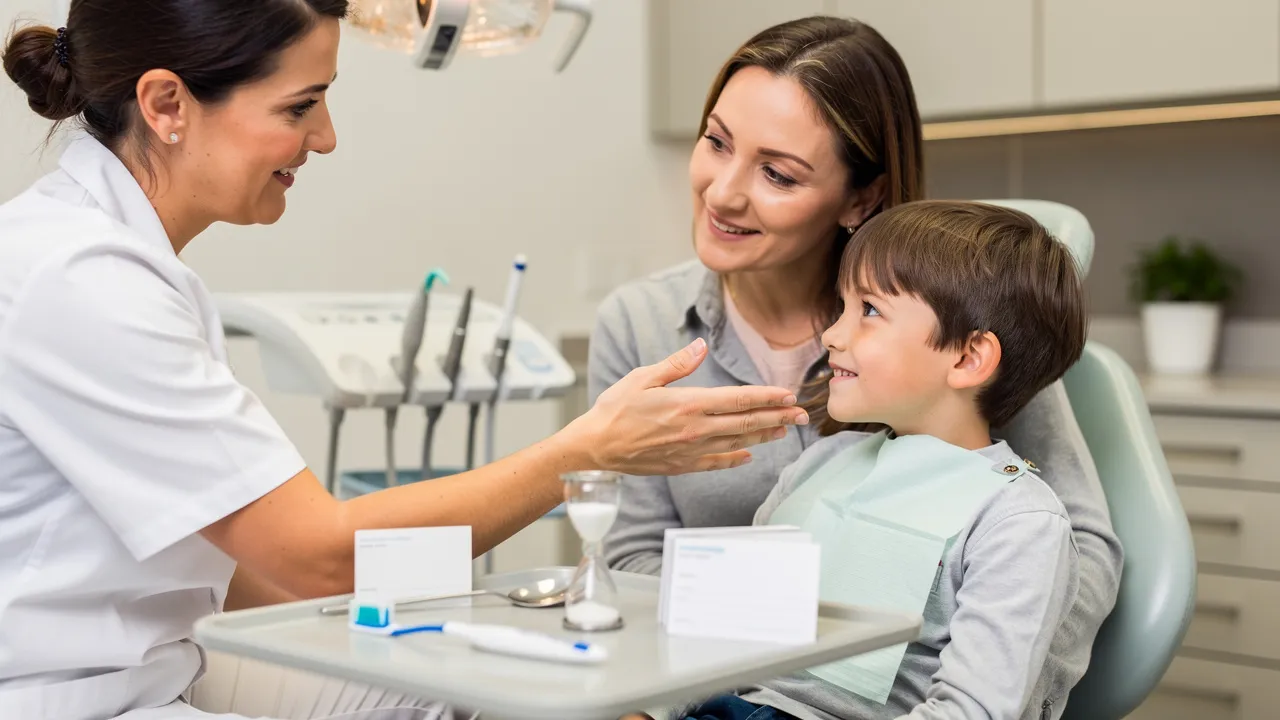
What preventive care dentistry is meant to do
Preventive care dentistry combines routine dental visits with habits that help prevent cavities, gum disease, and other dental problems. We define preventive dentistry as visits and habits that prevent these problems, while your daily routine supports the care you receive in the dental office. Routine care can help identify concerns earlier, but it cannot guarantee that every dental problem will be avoided.
Preventive dental care includes brushing with fluoride toothpaste twice a day, cleaning between your teeth, maintaining a healthy diet, attending regular oral exams, and receiving professional cleanings. Routine dental visits can also provide oral-health education, preventive services such as sealants and fluoride varnish, and early detection and treatment of cavities. Untreated cavities can lead to pain, infection, and costly treatment, so a visit can still be worthwhile when nothing hurts.
For a child or adult without urgent symptoms, the practical starting point is a routine assessment; a dental professional can then discuss which preventive services fit the person’s needs.
What a preventive dental visit may include
A preventive dental visit may combine three different roles, and separating them helps you understand what each part is meant to answer:
- Assessment: An examination and X-rays when appropriate give the dental professional information about your teeth, gums, and other oral structures.
- Professional prevention: A cleaning and other suitable services address needs identified during the visit.
- Guidance: Conversation about daily oral hygiene helps you understand what to continue, change, or ask about at home.
One appointment may include all three, but an examination, a cleaning, and home-care guidance do different jobs.
Preventive care may include an oral evaluation, appropriate X-rays, a professional cleaning, fluoride treatment, sealants, oral-hygiene instruction, diet or tobacco-cessation counseling, and space maintainers for children. During an examination, a dentist can look for signs of tooth decay, gum disease, and oral cancer to help detect and treat concerns early. The frequency of radiographic examinations should be based on caries-risk assessment and may change as risk status changes.
A professional cleaning removes plaque and tartar from the teeth and along the gumline. Ask what the cleaning will address, what the examination found, and which home-care steps relate to your mouth rather than treating every service as an automatic requirement.
The purpose of a preventive appointment is to connect findings with an appropriate next step. An examination can identify signs that need attention, a cleaning can address plaque and tartar, and guidance can translate the discussion into daily habits. Ask the dental professional to explain which part of the visit answers each question you have.

When children should begin preventive dental care
A child’s first dental visit should be planned by the first birthday or within six months after the first tooth erupts, according to the cited pediatric guidance. The AAPD recommends establishing a dental home within six months of the first tooth’s eruption and no later than 12 months of age for caries-risk assessment and parental education. The goal is to begin guidance early, not to wait for pain or a visible cavity.
Children’s home care needs close attention to age and supervision:
- For a child younger than 3 years old, use no more than a smear, or rice-sized amount, of fluoride toothpaste.
- From ages 3 to 6 years, use a pea-sized amount of fluoride toothpaste.
For children, drinking fluoridated water and brushing with fluoridated toothpaste twice daily are recognized as the most effective methods for reducing dental-caries prevalence.
Sealants may be considered for newly erupted molars or other areas identified by the dental team, but they are not a universal checklist for every child. Fluoride varnish appears to help prevent cavities in higher-risk children younger than 5 years, and children at risk for cavities should receive professional fluoride treatment at least every 6 months. The dental professional should connect these options to your child’s examination and assessed needs rather than applying the same plan to every child.

How age and risk shape follow-up timing
The interval between check-ups affects how often associated preventive services are provided. A six-month recall interval is established practice in many countries and is commonly recommended by some primary-care dental practitioners. For adults receiving primary-care dental check-ups, high-certainty evidence found little to no difference in oral-health outcomes between a 6-month recall interval and a risk-based recall interval. That comparison does not create one schedule for every household; it supports asking why a particular interval fits your circumstances.
Caries risk exists on a continuum and can change as risk factors change. Advancing age and changes in diet, medical history, and periodontal status may increase the risk for dental caries. Your follow-up plan may therefore need to change after a health change, a shift in diet, a new pattern of gum problems, or a change in examination findings.
Radiographic frequency should be based on caries-risk assessment and may change as your risk status changes. Ask what question an X-ray is intended to answer, why it is indicated now, and when the dental professional expects to reassess the need for another image. Do not treat a familiar six-month appointment pattern as an automatic X-ray schedule.
A follow-up plan should be revisited when your circumstances change. New medications, a recently diagnosed medical condition, pregnancy, diabetes, recent surgery, changes in diet, or changes in gum health can affect the questions a dental professional needs to consider. Ask whether the recommended interval and any proposed imaging still match your current history and caries risk.
Daily habits that support preventive care
Your daily routine is the part of prevention you control between visits. Brush with fluoride toothpaste twice a day and clean between your teeth daily. Routine dental visits are recommended for people aged 1 year and over and are associated with fewer treatments for oral and craniofacial conditions and lower dental-care costs. An association is not a promise that a visit will prevent every problem, so combine routine care with attention to symptoms and changes in your mouth.
Especially if you are at high risk of cavities, reduce the amount and frequency of carbohydrates, limit sugary snacks between meals, and limit added sugars and high-acid foods. Use the dental visit to connect those recommendations to your household’s actual meals and routines. A practical plan should tell you what to change and how to keep the change manageable.
Analyses of 23 clinical trials, most with twice-yearly application, favor fluoride varnish in primary and permanent teeth to prevent decay. This finding supports discussing professional fluoride when your child’s or your cavity risk makes it relevant; it does not mean that every person needs the same treatment or frequency.
What to prepare and ask before a dental visit
Your health information can change how a dental professional plans care. Tell your dentist about new medications, recently diagnosed medical conditions, pregnancy, diabetes, or recent surgery because these changes can affect your treatment plan. Before the appointment, bring the information you have and write down 3 to 5 questions so anxiety, time pressure, or a busy family schedule does not make you forget them.
Use questions that turn a general check-up into a clear plan:
- What did you find in my teeth, gums, and bite?
- Which areas of my mouth need more attention, and what should I change at home?
- Which services are preventive, and which address an existing concern?
- Is proposed treatment urgent, or is it safe to monitor?
- What will the estimated cost be before treatment starts?
Ask for a clear report and a written estimate when treatment is proposed.
A CDC-led study found that 32.4% of U.S. adults aged 30 and older never flossed, while 30.3% flossed daily. These figures do not diagnose you, but they show why asking about gum health and cleaning between your teeth belongs in the conversation. One dental practice describes low-dose radiation X-rays as emitting 90 percent less radiation than traditional units and presents them as a safe and effective option for its patients; ask what imaging is indicated for you and why.
Your appointment questions can separate health priorities from payment questions. First ask what needs attention now, what can be monitored, and what home-care change is recommended. Then ask for a written estimate before treatment starts and contact your insurer about the plan’s coverage. A dental-benefit plan may cover some or all costs for preventive services, but the plan documents and insurer can answer your coverage question.
How to evaluate a local dental practice
Turn the first contact with a dental practice into a short appointment note. Before contacting a practice in South San Francisco, Daly City, or nearby, note who needs care, whether the request is routine or symptom-driven, and which health information or prior records you can provide.
Ask:
- Does the practice serve each person’s age group?
- What will the first preventive visit assess, and which services might be considered?
- What should you bring, and how can you request an appointment?
- Which insurance details and estimated costs should you confirm with the insurer and practice?
Use the answers to decide whether the practice fits the household’s stated need before booking.
At Westborough Dental Care, every preventative visit includes a professional cleaning, full oral exam, digital X-rays when indicated, oral cancer screening, and an evidence-based home-care plan tailored to your specific risk factors. Our preventative-visit components apply at our South San Francisco practice; the dental professional still determines what is appropriate for your circumstances.
To request an appointment, use our online booking or call us directly; we accept new patients. For your first visit with us, please bring your insurance card, a list of current medications, and any prior dental records or X-rays. Many dental-benefit plans cover some or all costs for preventive services, but check your plan or call the number on your insurance card to confirm coverage.
A suitable local practice should make the next decision understandable before you book. Note whether the practice can see everyone who needs care, what the preventive visit includes, which records to bring, and how appointment requests work. For a family in South San Francisco or Daly City, use those answers to decide whether the practice fits the household’s routine-care needs; use a prompt-care pathway instead if symptoms are urgent.
When symptoms require prompt or emergency care
Severe tooth pain, swelling, a broken tooth with pain, a loose or knocked-out adult tooth, bleeding that will not stop, or signs of infection call for prompt dental contact. Do not wait for a routine cleaning when one of these symptoms is present. Call a dentist promptly and describe what happened, when it began, and whether the symptom is getting worse.
Trouble breathing, trouble swallowing, heavy bleeding, major facial trauma, or rapidly worsening swelling require an ER visit right away. Severe facial swelling, high fever, trouble breathing or swallowing, or pain that will not respond to medication may indicate that an infection is spreading beyond the tooth and requires emergency dental care. Do not wait for a standard appointment when breathing, swallowing, bleeding, trauma, or rapidly worsening swelling is involved.
The urgency is reflected in historical U.S. figures. In 2009, abscesses and dental caries - both described as largely preventable conditions - accounted for nearly 80 percent of dental-related emergency-room visits. In 2018, approximately 663,000 emergency-department visits for non-traumatic dental conditions and approximately 7,500 inpatient admissions occurred among non-dual-eligible adults ages 21-64. Emergency-department dental visits cost three times as much as a dentist visit, averaging $749 when the patient was not hospitalized, and amounted to $1.6 billion annually. These figures are from their stated years; use symptoms, not an old cost estimate, to decide how quickly to seek care.
Choose the right next dental appointment
Before you contact a practice, prepare the information and questions that will shape the appointment:
- Routine visit: If you have no urgent symptoms, request an examination and cleaning. Ask how your age, oral health, and cavity risk should affect follow-up.
- Symptom-driven visit: Describe what happened, when it began, and whether it is getting worse so the dental professional can direct the next step. If breathing or swallowing is difficult, bleeding is heavy, facial trauma is major, or swelling is rapidly worsening, go to the ER right away.
Gather your questions, medication list, insurance information, and prior records for a routine request. A local practice can then explain the proposed care and timing after evaluating your situation.
For families in South San Francisco and Daly City, use the appointment note to contact a practice that serves the people in your household. State whether the request is routine or symptom-driven, ask what to bring, and confirm current insurance and appointment details before booking. We accept new patients in South San Francisco; request an appointment through online booking or by calling us directly.
Questions to clarify before arranging preventive care
Does every preventive dental visit require X-rays?
No. X-rays may be appropriate, but their use and timing should follow the examination and your cavity-risk assessment rather than an automatic schedule. Ask what question an image is intended to answer and why it is indicated for you or your child.
What should I bring to a first preventive dental appointment?
Bring your insurance card, a list of current medications, and any prior dental records or X-rays. Also note relevant health changes, such as a new diagnosis, pregnancy, diabetes, recent surgery, or medication changes, and write down 3 to 5 questions you want answered.
How should I decide whether to arrange routine or prompt dental care?
Arrange routine care when you have no urgent symptoms and need an examination, cleaning, or preventive guidance. Contact a dental professional promptly for severe tooth pain, swelling, a painful broken tooth, a loose or knocked-out adult tooth, bleeding that will not stop, or signs of infection. Do not wait for a routine cleaning when these symptoms are present.
Need help applying this?
Talk to a billing specialist who knows your payer mix.
Westborough Dental Care welcomes new patients in South San Francisco. Book a visit to meet Dr. Zoulas and the team.
Schedule a meeting