
best cosmetic dentist near me
How to Choose the Best Cosmetic Dentist Near You in South San Francisco
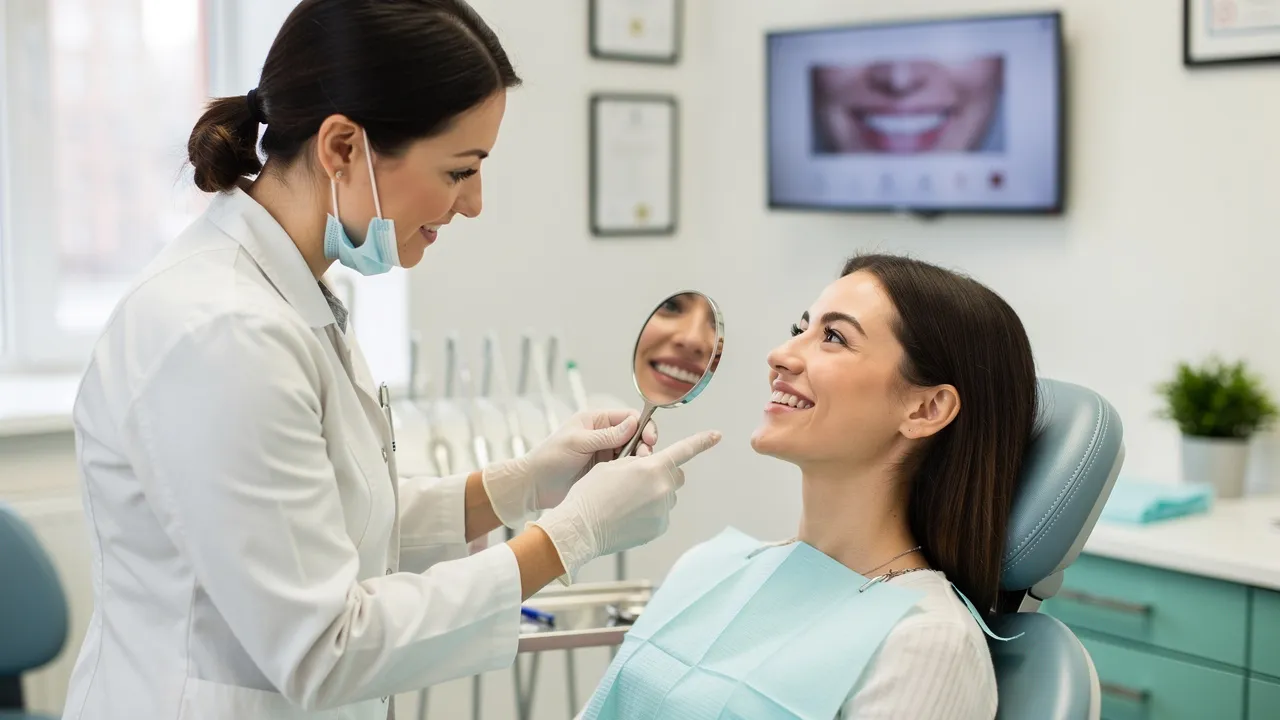
Begin with the concern you want to change
Choosing a cosmetic dentist near South San Francisco starts with naming the change you want, not with comparing titles or advertised prices. Color, shape, tooth position, wear, and missing tooth structure can require different solutions. Whitening addresses color, bonding adds material, veneers cover the visible front surface, and orthodontic treatment changes tooth position.
That distinction gives you a more useful starting point. If your concern is mainly shade, you can ask about whitening before discussing treatments that alter tooth shape. If you have a small chip or gap, bonding may address the specific area. If alignment is the concern, clear aligners move teeth rather than covering them. Damaged or weakened teeth may call for restorative treatment rather than an elective cosmetic change.
Whitening changes many stains in natural teeth, but restorations may not respond like natural enamel. Existing crowns, veneers, fillings, or other dental work can therefore affect how a shade change fits into your plan. Ask which teeth are natural, which are restored, and whether treatment needs to be sequenced around existing work.
Start your comparison with four questions:
- What exactly do I want to change: color, shape, position, wear, a chip, a gap, or missing structure?
- Which teeth need attention, and which can remain untreated?
- Is the concern cosmetic, restorative, or a mixture of both?
- What would happen if I made a smaller change or chose no cosmetic treatment?
Your answer should become a short treatment brief that you can take to each consultation. Include the appearance you want to change, any functional concern such as tooth position or wear, and the result you do not want. A clear brief helps you compare whether each provider is addressing the same problem or simply presenting a larger menu of procedures.
Match the concern to treatment trade-offs
Cosmetic treatment options change different parts of a smile, so compare them by the concern they address, the amount of tooth alteration involved, and the care they require afterward.
| Option | What it changes | Tooth alteration or reversibility | Questions to carry forward |
|---|---|---|---|
| Whitening | Tooth color | Usually does not require reshaping teeth; results are not permanent | Ask about hygiene and whether touch-ups may be appropriate |
| Bonding | Adds material for small chips, minor gaps, and some shape changes | Does not remove tooth material; it usually takes one visit, with some risk of staining or chipping | Ask how long the repair may last and what could require repair |
| Veneers | Covers the visible front surface to address color, shape, or appearance | May require enamel removal and can be irreversible | Ask how much enamel would be removed and what future repairs involve |
| Clear tray orthodontics | Tooth position | Moves teeth rather than covering them; retainers may be part of maintaining alignment | Ask how retention will be handled after movement |
| Crowns | Covers and restores a tooth that needs coverage | Typically involves reshaping the tooth | Ask why coverage is needed and how the crown fits the wider plan |
If color is your only complaint, whitening is usually the first option to discuss and is the most reversible. Bonding can repair small chips and minor gaps without removing tooth material; it usually takes one visit and lasts several years, with some risk of staining or chipping. Veneers can address color, shape, or appearance, but they may require enamel removal and can be irreversible. Crowns are used to restore teeth that need coverage and typically involve reshaping the tooth.
A smaller, more conservative option may meet your goal without treating every visible tooth. Ask whether the plan can focus on the teeth that create the concern instead of automatically including every visible tooth. Ask how function, bite, existing restorations, and tooth wear affect the order of treatment. A cosmetic plan should account for function as well as appearance, and some treatments may need to occur in a deliberate order.
Published cost examples can help you understand why two options may have different financial implications, but they are not a personal estimate. A published cost example describes composite bonding as costing $200 to $600 per tooth, compared with $1,000 to $2,500 for porcelain; the same example describes bonding as completed in a single visit with little to no enamel removal. Ask what the quoted material, number of teeth, laboratory work, follow-up, and repairs include before comparing totals.
A survey cited by one source reports that roughly 75% of cosmetic procedures involve either bonding or crowns and bridges. That figure describes the survey population and does not predict which procedure fits your teeth. Use your concern and the examination findings to frame the discussion instead of treating a broad procedure share as a recommendation.
Expected longevity also belongs in the comparison. Published estimates describe whitening as lasting months to a couple of years depending on diet and habits, bonding on front teeth as lasting roughly 5 to 7 years, and well-made porcelain veneers as lasting well over a decade with good home care and a night guard if you grind.
Ask what maintenance, touch-ups, retainers, night guards, or repairs may be needed. Then compare the initial treatment with the continuing care it may require. A lower initial price may represent a different material, a smaller treatment area, or a different maintenance plan, so an itemized estimate is more useful than a headline figure.
Use experience instead of the cosmetic-dentist label
Cosmetic dentistry is not an ADA-recognized specialty, so a general dentist can claim to be a cosmetic dentist. The ADA currently recognizes 12 dental specialties that do not include cosmetic dentistry. The title alone therefore does not tell you how much experience a provider has with veneers, bonding, clear aligners, crowns, or the particular change you want.
Use procedure-specific questions instead. Procedure-specific case volume, documented before-and-after results, and continuing education in esthetic dentistry are indicators to evaluate. Ask how often the dentist performs the procedure you need, what training relates to that procedure, and whether you can see cases similar to yours.
A practical provider screen can include these questions:
- What postgraduate courses has the dentist taken in veneers, clear aligners, or another procedure relevant to your goal?
- How often does the dentist perform the treatment you are considering?
- Can you see before-and-after photos of cases with a similar concern, tooth position, restoration history, or treatment extent?
- Who performs each step, and what work is completed by the dentist or a technician?
- What continuing education supports the procedures being discussed?
Ask for specific answers rather than relying on a general promise of cosmetic care. The useful comparison is the provider’s experience with your treatment, not the general-or-cosmetic label.
A published dentist profile illustrates the level of detail you can ask for without treating another provider’s history as a promise for your care: the profile reports that Dr. Shedd, DMD, completed focused cosmetic training and over 100 Invisalign and clear aligner cases, and that the dentist placed hundreds of porcelain and composite veneers in 18 years of practice. Those figures describe that cited dentist, not Westborough Dental Care and not your likely result.
Our digital dentistry uses in-office scanning, 3D imaging, and same-day milling instead of traditional impressions, film X-rays, and lab-fabricated restorations. Ask how any technology fits your proposed treatment and whether it changes the process, the number of visits, or the materials used.
Test whether the approach preserves healthy structure
Preserving healthy tooth structure is a treatment preference to discuss during a consultation. Our cosmetic dentistry focuses on preserving healthy tooth structure rather than aggressively reshaping teeth. That statement describes Westborough Dental Care’s approach; it does not decide whether a particular procedure is appropriate for you.
Ask the provider to connect each proposed change to the concern you identified. A useful explanation should tell you which teeth would be treated, what material would be added or removed, why that extent is being proposed, and whether a smaller option may meet the same stated goal. Ask how the plan accounts for function as well as appearance.
Put these questions on your list:
- How much natural tooth structure would be removed, if any?
- Could bonding, whitening, alignment, or treatment of fewer teeth address the concern?
- What happens to existing fillings, crowns, or other restorations during the plan?
- Can you see a digital image or wax-up before committing to treatment?
- What would the provider recommend if you chose to do less or do nothing?
Ask whether digital imaging or wax-ups are available to help you discuss a proposed result before you commit to treatment.
We provide a selection of before-and-after photos from patients treated at our facility. Use comparable cases to ask focused questions about the starting concern, the procedures used, the amount of tooth alteration, and the maintenance discussed afterward. Photos can help you discuss a plan; they cannot establish that the same treatment or appearance will apply to you.

Judge the consultation before committing
A cosmetic consultation is a planning visit, and you do not have to start treatment that day. A consultation usually reviews your dental history, examines your teeth, gums, and bite, discusses your goals, and may use photographs or digital images. The conversation should make the proposed treatment understandable before you decide whether to proceed.
Ask for the options, including doing nothing, plus a timeline, written estimate, and time to decide. A consultation that leaves no room for questions or consideration does not give you a useful basis for comparing providers. If a consultation pressures you to decide immediately, slow down before committing.
Our comprehensive exam evaluates your teeth, gums, bite, and soft tissue, with X-rays as needed. Ask how the examination findings affect the cosmetic plan and whether any health preparation comes first. You should also ask who performs each step of treatment - the dentist or a technician - and which parts of planning, preparation, placement, and follow-up occur in the practice or elsewhere.
Treatment timing depends on the plan, but one described sequence shows why you should ask about order rather than focus only on the final procedure:
- A consultation may include an exam, scans, a smile-design preview, a plan, and a quote, with a typical timeframe of 1 visit.
- If needed, health preparation may include cavities, gum treatment, or extractions, with a typical timeframe of 2-8 weeks.
- If needed, alignment may be one stage in the plan, so ask how it affects the order and timing of other treatment.
- Restorative and cosmetic treatment may include implants, crowns, veneers, or bonding, with a typical timeframe of 2-6 months.
- Finishing may include whitening, gum contouring, or a nightguard or retainer, with a typical timeframe of 1-2 visits.
These timeframes describe possible stages, not your personal schedule. Ask what applies to your proposed plan, what could change the order, and who will explain any delay or added step.
Your experience of the consultation is another comparison point. Consider whether the office feels comfortable, the staff is friendly, and you can ask questions and like the answers. Ask about office hours, the number of visits, and the time required for the proposed treatment. Cosmetic dental enhancements can require multiple visits, making location and convenience relevant when you compare practices.
Require a plan you can compare
A written plan turns a broad smile goal into items you can compare. Request a written plan covering procedures, treatment order, timeline, aftercare, risks, and itemized fees. The plan should make clear which teeth are included, which steps are optional, and what happens if you pause after an early stage.
Use the written plan to compare like with like:
- List every procedure and the teeth or areas it covers.
- Put the planned order beside the expected timing for each stage.
- Record the material, laboratory work, imaging, scans, anesthesia or sedation if discussed, and follow-up included in the estimate.
- Note maintenance such as retainers, night guards, whitening touch-ups, repairs, or replacement discussions.
- Write down alternatives, including a smaller treatment or doing nothing.
Separate published fees from your final cost
Published fees are useful starting points, but your final cost depends on the treatment design, number of teeth, materials, preparation, maintenance, and insurance or membership conditions. Compare the same line items across written plans rather than comparing one practice’s headline price with another practice’s incomplete estimate.
We publish UCR fees and provide written treatment plans with cost estimates for free. Ask for the plan to show which services are included and which costs would arise later. An open fee list supports comparison, but it does not replace the treatment-specific estimate for your teeth.
Our published practice information lists same-day porcelain or ceramic crowns at $2,334. Our flat member rates for clear aligners are $6,500 for treatment lasting more than 6 months and $5,250 for treatment lasting less than 6 months; retainers cost $650 and night guards cost $775. We offer an in-house membership plan.
Each figure has a defined condition. The crown figure is for a same-day porcelain or ceramic crown. The aligner figures are flat member rates separated by treatment duration, and the retainer and night-guard figures are separate costs. Ask which membership tier applies, which services are included, and whether your written estimate contains the same components.
A useful financial worksheet has four columns: treatment step, included service, published or estimated fee, and possible later cost. Add the expected number of visits, temporary work, retainers, night guards, repairs, and maintenance to the same worksheet. Then ask each practice to identify anything that is not included.
Do not treat a published fee as a promise about your final amount. Use it to identify the questions your consultation and written estimate must answer.
Verify insurance and payment handling
Insurance handling depends on whether the planned service is purely cosmetic, restorative, or a combination. Purely cosmetic work is often not covered by insurance, while restorative procedures may be handled differently; confirm benefits and request a pre-treatment estimate from your insurer. Ask which procedure codes and treatment components the insurer is evaluating, because the appearance goal alone may not describe the entire plan.
We provide verification of benefits before treatment. That practice step can organize the information available before care begins, but your insurer determines the benefit terms and reimbursement for your plan. Ask what the estimate assumes, what remains your responsibility, and what happens if the insurer pays a different amount.
We accept 14 in-network PPO carriers. We are out of network with Delta Dental PPO, and we can file the claim for Delta Dental PPO. These are Westborough Dental Care’s stated network and claim-handling facts; they do not establish that a particular cosmetic procedure is covered or that a particular reimbursement amount will apply.
Ask your insurer about network status, cosmetic exclusions, restorative benefits, deductibles, annual limits, waiting periods, pre-treatment estimates, and the portion assigned to your plan. Ask the practice how the proposed services will appear on the estimate and claim so you can compare the insurer’s explanation with the written treatment plan.
Keep the three documents separate as you review a proposed plan. The insurer’s benefit response addresses your dental plan’s terms; it does not decide whether treatment is clinically suitable or whether the office’s proposed sequence fits your circumstances. Confirm with your insurer how each planned service is classified and which procedure codes and treatment components are being considered. Ask whether the response reflects network status, deductibles, annual limits, waiting periods, exclusions, and a pre-treatment estimate. Purely cosmetic services are often handled differently from restorative services, so ask how the proposed work is divided when both purposes appear in one plan.
Then compare the insurer’s response with the treatment plan without treating either document as the final amount. Check that the teeth or areas, materials, number of visits, and sequence under discussion correspond to the services the insurer evaluated. If a retainer, night guard, temporary restoration, repair, or later maintenance appears in the plan, ask whether it was included in the benefit inquiry and how it is treated under the policy. Ask the practice what you would owe if the insurer pays less than expected, and ask the insurer to explain any difference between the pre-treatment response and a later claim decision.
Keep notes of the assumptions used by both sides, including network status and the distinction between cosmetic and restorative work. If the documents disagree, ask which procedure, material, tooth, or stage created the difference before comparing providers. You can also ask whether an alternative sequence, smaller treatment area, or different option would change the benefits question, the timing, or the amount assigned to you. This record gives you a clearer basis for deciding whether to request a consultation, seek another estimate, or pause before elective treatment. Recheck time-sensitive benefit, network, and payment details with the insurer and practice before scheduling or committing.
Pause elective planning when dental health needs attention
Elective cosmetic planning should begin with a dental health check. A dentist should check your dental health first; dental problems may need care before elective cosmetic work. Ask whether the teeth, gums, bite, soft tissue, and existing dental work have been assessed before you compare veneers, bonding, whitening, aligners, or other appearance-focused options.
If health preparation is recommended, ask how it changes the order, timing, materials, and estimate. The practical question is not whether you must abandon your smile goal; it is which condition needs attention before elective work can be planned responsibly.
Prepare and take the practical next step
Build your shortlist from evidence you can compare for each provider: procedure-specific training and experience, before-and-after cases similar to yours, answers about preserving healthy tooth structure, available previews such as digital imaging or wax-ups, and practical fit such as office location and hours. Note what each practice can show and explain rather than relying on the cosmetic-dentist label alone.
Use those answers to compare the decision process, not just the appearance of a website or the size of a photo gallery.
Our first visit lasts about 60 to 90 minutes; bring your insurance card, comfortable clothes, and a list of medications. You can also bring your medication and allergy list, past X-rays or dental records, inspiration photos, and written questions. These materials help you explain your goals and give the practice information for the discussion.
Cosmetic dental enhancements can require multiple visits, so consider whether the office location and hours fit your schedule. Ask how long the smile makeover will take and whether the dentist has vacations planned during treatment. We accept new patients and let you request an appointment online or by calling us directly. Bring your treatment brief, your financial questions, and your comparison notes so the first conversation can focus on whether the practice fits your goals.
Need help applying this?
Talk to a billing specialist who knows your payer mix.
Westborough Dental Care welcomes new patients in South San Francisco. Book a visit to meet Dr. Zoulas and the team.
Schedule a meeting