
sf family dentistry
SF Family Dentistry: A South San Francisco Guide for Choosing Household Dental Care

Turn the “SF family dentistry” search into a household-care decision
A San Francisco-area family-dentistry search becomes more useful when you turn it into a household-care decision. Instead of looking only for a nearby office, list the people who may need care, the type of support each person may seek, and the practical questions that could affect your choice. Children, teens, adults, and older adults can have different dental needs, so a family-focused decision has to account for more than one age group. A welcoming environment, clear communication, scheduling, location, and continuity of care all belong in the comparison.
South San Francisco is the location of our office. We offer family, cosmetic, and restorative dentistry there. That distinction matters when your search uses the broader San Francisco area: you can compare the location with your travel needs while separately assessing whether our documented services and first-visit process fit your household. Location alone does not answer the care question.
A practical household comparison can follow four questions:
- Can the office address the routine, general, or restorative needs you already know about?
- Does the team describe care for the ages and comfort concerns represented in your household?
- Can you understand why a treatment is recommended and ask questions without feeling rushed?
- Can you manage the location, scheduling, first-visit preparation, insurance questions, and expected responsibility?
Answer those questions for your household rather than choosing from a short service list. The goal is a clear conversation about fit, not an assumption that every person will have the same appointment or treatment plan.
Define what family dentistry covers—and what it does not mean
Family dentistry is a practice model designed to serve patients of different ages, rather than a board-certified specialty. The term describes the age range a practice is organized to serve; it does not, by itself, determine the clinical needs of any particular person. A family-oriented office may be set up to discuss care across childhood, adolescence, adulthood, and later life, while individual recommendations still depend on the person’s situation.
The practical scope usually begins with preventive and general care. Preventive care may include examinations, professional cleanings, X-rays when appropriate, fluoride treatments, and oral-health education. For children, it may also include fluoride treatments or sealants for newly erupted molars. General care can include routine evaluation and services that address fillings, crowns, and gum care. The exact services available, timing, and recommendation remain questions for the dental team.
Age-inclusive care does not mean that one approach applies to everyone. Children may need a different explanation and pace from adults. Teens may bring different scheduling or preventive questions, while older adults may have other records, medications, or treatment-planning concerns to discuss. When you compare a family practice, look for a team that recognizes those differences and gives you room to ask why a proposed service fits a particular person.
Family dentistry also does not mean that every office offers every dental service, accepts every insurance arrangement, or can determine suitability before an evaluation. A broad service label is a starting point. You still need to compare the documented scope, the first-visit process, the way questions are handled, and the financial information available for your household.
Map each household member’s care and comfort needs
A household care map gives you a practical way to compare one dental office with several people’s needs. Create a short note for each person before you call or request an appointment. Keep the notes descriptive rather than diagnostic: record what you want to discuss, what information you already have, and what would make the conversation easier.
For each household member, write down:
- Age and life stage: Note whether the person is a child, teen, adult, or older adult so you can ask how the office approaches different age groups.
- Known care topics: List routine care, a previous recommendation, a damaged or missing record, or another reason you want to speak with a dental team. Do not assume the note establishes a diagnosis or treatment need.
- Comfort questions: Record worries about the dental setting, communication, appointment length, or the way information will be explained. A welcoming environment is one factor to consider when comparing a practice for your household.
- Scheduling needs: Identify school, work, transportation, or continuity concerns that could affect appointments for several people.
- Records and practical information: Gather insurance details, current medications, prior dental records, and prior X-rays where available.
This list gives you questions to bring into the conversation. It does not replace an examination or an individualized recommendation.
Comfort belongs beside clinical scope, not at the end of the decision. A team that welcomes questions can make it easier for you to understand why a treatment is recommended. A calm environment may help a child feel less anxious and may make an adult more willing to seek care. Those are possible benefits of the setting, not promises about how any person will feel during an appointment.
After you make the individual notes, separate shared priorities from person-specific questions. Shared priorities might include location, appointment availability, continuity, communication, and the ability to address routine and restorative needs in one office. Person-specific questions might concern a child’s first visit, an adult’s existing records, or the timing of a treatment discussion. This separation helps you evaluate the household without treating the household as a single patient.
Compare the documented Westborough Dental Care scope with that household map
Our documented scope covers family, cosmetic, and restorative dentistry in South San Francisco. Compare those facts with the ages and questions on your household map. They can help you decide whether an initial conversation is relevant, but they do not determine an individual treatment plan or eligibility.
Our general dentistry services include fillings, crowns, gum care, and more. Those services are relevant when your household map includes routine general-dentistry questions alongside preventive care or restorative concerns. Use the list as a starting point for questions rather than assuming that a named service is the right response for a particular person.
Comprehensive care may help a household avoid visiting multiple providers. That potential convenience matters when several people need care, but it should be weighed with communication, scheduling, location, and continuity. Ask whether the documented scope addresses the questions on your map and whether the process works for the way your household organizes appointments.
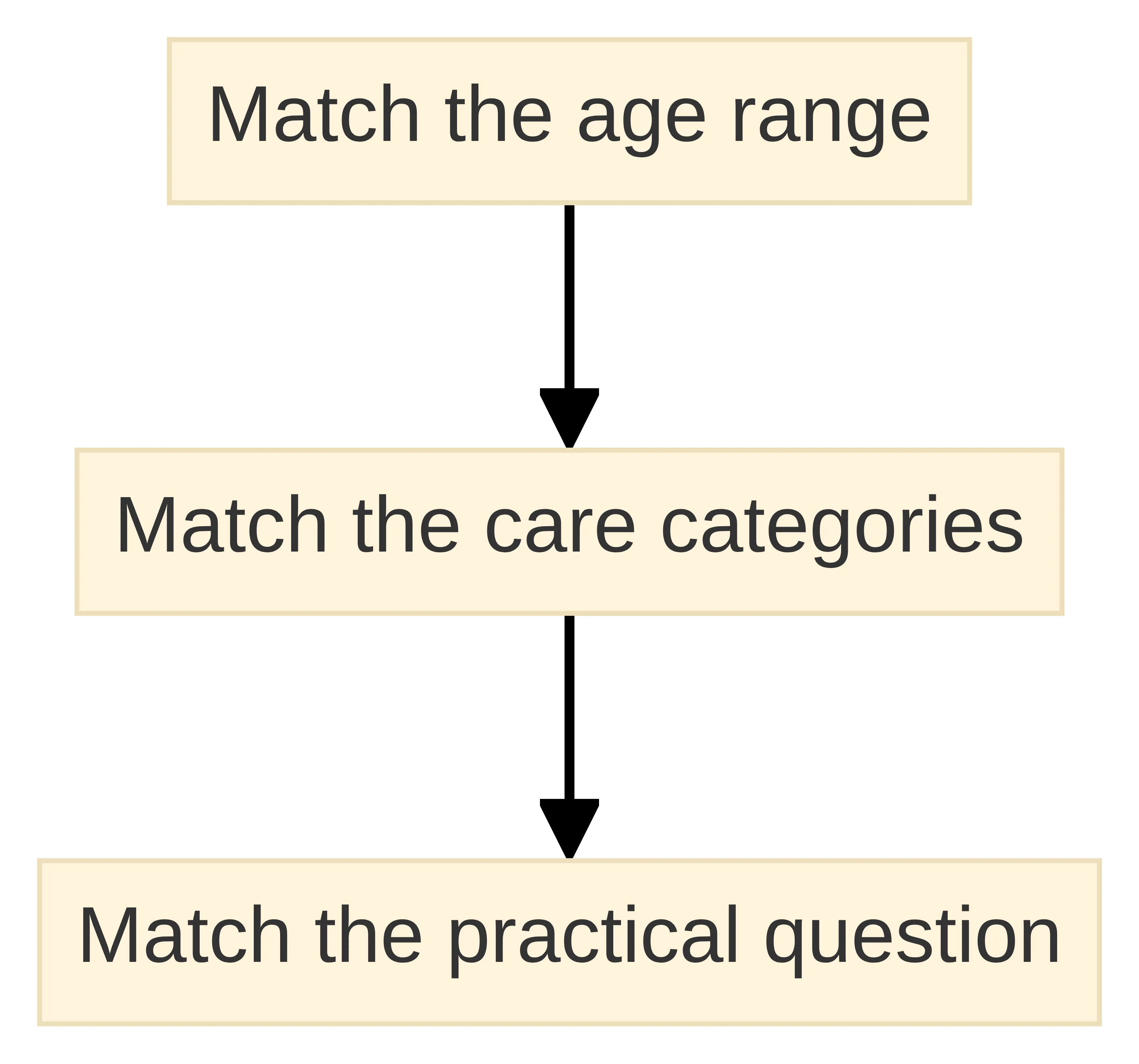
A useful scope check has three parts:
- Match the age range: our office treats patients of all ages.
- Match the care categories: our documented services include family, general, and restorative dentistry.
- Match the practical question: ask about the first visit, records, scheduling, payment, and the information needed for each person.
This process keeps the comparison specific. It also preserves the boundary between what our office documents as available and what a qualified dental professional may recommend after reviewing an individual’s circumstances.
Use preventive care as the household’s starting point
Preventive care gives your household a common starting point without assuming that every person needs the same service. Preventive visits may include an examination, professional cleaning, X-rays when appropriate, fluoride treatments, and oral-health education. For children, fluoride treatments or sealants may also be discussed for newly erupted molars. The dental team decides what is appropriate for the person being examined.
Every preventive visit with us includes a professional cleaning, full oral exam, digital X-rays when indicated, oral cancer screening, and a home-care plan tailored to specific risk factors. That description gives you concrete topics to ask about when you compare the visit with the needs on your household map. It does not tell you which services a particular family member will receive outside the stated visit components.
Use the preventive conversation to organize questions for each person:
- What information should you bring for a new patient or returning patient?
- Which parts of the preventive visit apply to the person’s current questions?
- When are digital X-rays indicated?
- What home-care guidance will address the person’s stated risk factors?
- Which questions should be carried into a later treatment-planning conversation?
These questions keep preventive care connected to education and planning. They do not ask you to select a treatment before an examination.
A preventive starting point does not eliminate the need to discuss restorative concerns. A filling, crown, gum-care question, or other issue may require a separate explanation and plan. Use the preventive visit to identify what you need to understand, then let the dental team explain the available options and relevant conditions for the individual.
Prepare for the first visit as an information exchange
Use the first conversation to share household questions and discuss the information relevant to the person being seen. A written plan is something you can discuss; it is not a promise that every proposed service will be appropriate for another household member.
Bring the information that helps make the first conversation useful:
- Your insurance card.
- A list of current medications.
- Prior dental records or X-rays.
- A short description of the questions you want addressed.
- Any scheduling or communication concern that could affect the visit.
The first three items are specifically requested for a first visit with us. The remaining notes help you keep the conversation focused on the household member’s questions rather than trying to remember every detail in the moment.
A first-visit question list can include: What will this visit cover? Which records or images should be considered? What does the written treatment plan describe? Which questions require another discussion? How should you understand the reason for a recommended treatment? You should be able to ask questions and understand why a treatment is recommended. Clear communication matters when several people in a household may need separate plans.
Household planning also means deciding how to handle separate information for separate people. Keep each person’s medications, records, insurance details, and questions distinct. Ask about scheduling and continuity if several family members need visits. A single office may simplify communication, but each person still needs an individual conversation about the care being considered.
Make insurance and payment questions explicit before treatment
Insurance benefits can differ greatly by plan, so a household should treat coverage as a plan-specific question rather than a general assumption. Ask what information is being verified, which services are being discussed, and what remains a patient-responsibility question.
We verify benefits before treatment. We also file out-of-network claims for our patients. These are part of our stated financial process, but the way a plan applies benefits still depends on the plan and the services under discussion. Ask for the information you need to distinguish a benefit estimate from the amount your household may ultimately owe.
We accept 14 in-network PPO carriers, and we do not accept HMO options. If your household uses a PPO, ask how the relevant carrier arrangement applies to the person and service being discussed. If your household uses an HMO or another arrangement, ask what the available pathway is before treatment planning proceeds. Do not assume that the presence of dental insurance means every service or provider arrangement will be treated the same way.
We publish our UCR fees openly. Use that information as part of a direct payment conversation, alongside benefits verification and any out-of-network claim process. Ask which fee applies to the service under discussion, what portion may be submitted to insurance, and what information you should use when planning your personal responsibility. A clear financial question is more useful than relying on a single headline figure.
Before treatment, write down these questions:
- Has the relevant benefit information been verified for the person being seen?
- Is the plan treated as an in-network PPO, an out-of-network arrangement, an HMO option, or another type of coverage?
- Which services and fees are included in the discussion?
- What amount remains an estimate until the plan processes a claim?
- If no dental insurance applies, which membership-plan information should you ask about?
These questions help you separate coverage, claims handling, published fees, and final responsibility. They do not promise that insurance will pay for a service.
Use age and payment pathway as separate checks for each person in the household. We treat patients of all ages and offer a Child Membership Plan for patients 13 and under who do not have dental insurance. If a child in that age group is part of your household, ask how the plan currently works, what it includes, and which questions remain for the proposed visit. Do not treat the existence of the plan as proof that a particular service is included, that enrollment is appropriate, or that the plan applies to another family member. Confirm those details with the practice.
Keep the child-specific question separate from the general uninsured question. We offer a membership plan for patients without dental insurance, while the Child Membership Plan is described specifically for patients 13 and under who do not have dental insurance. For an insured child, use the insurance card and ask about plan-specific benefits rather than assuming the membership plan is the relevant payment pathway. For an adult or older adult without insurance, ask which general membership-plan information applies. This separation prevents a household from treating one payment arrangement as a shared benefit across different ages or coverage situations.
Put these questions into the household map: identify each person’s age group; note whether dental insurance applies; mark whether the person is 13 or under; and write the payment question to ask. Keep the answer with that person’s records, rather than turning it into a household-wide assumption. This makes it easier to distinguish a coverage question for one child from a fee or membership question for an adult.
Confirm current terms before treatment when these details affect your decision. Membership details, published fees, benefit verification, and claims handling should be discussed with the practice as they apply to the person and service under consideration. The age-and-coverage check complements, rather than replaces, questions about preventive care, general or restorative services, first-visit steps, comfort, and final patient responsibility. It gives your call a defined purpose: determine which information belongs to each family member and which questions still require a direct answer from the practice.
Use a focused household checklist before contacting the practice
A household checklist turns a general search into a focused first conversation. Before contacting us, prepare the following:
- People: List the family members you want to discuss, their age groups, and whether each person has a routine, general, restorative, or comfort-related question.
- Scope: Compare those questions with our documented family, general, and restorative services and our care for patients of all ages.
- First visit: Ask about the 60-to-90-minute first visit, its exam and X-rays, whether a cleaning depends on gum health, and the written treatment plan.
- Documents: Bring or gather each person’s insurance card, medication list, prior dental records, and prior X-rays.
- Communication: Write down the explanations you need and the questions that will help you understand why a treatment is recommended.
- Scheduling: Note availability, location, and continuity needs if several household members may need visits.
- Payment: Ask about benefits verification, PPO or HMO status, out-of-network claims, published fees, and membership-plan information when relevant.
The checklist is a preparation tool. It does not diagnose a condition, select treatment, or establish coverage.
Use direct questions rather than a vague request for “family care.” You can ask: Which age groups does the office treat? Which documented services relate to our questions? What should each person bring? What does the first visit include? How will the written treatment plan be explained? How can we discuss comfort or communication concerns? What insurance information should we provide? Which payment questions should we ask before treatment? Specific questions make it easier to understand the next conversation.
The checklist points toward contact when your household questions align with our South San Francisco location, documented scope, first-visit process, and financial questions. If a question falls outside what is documented, keep it as a question for the office rather than filling the gap with an assumption. That boundary lets you make a considered choice without treating a general service description as an individual recommendation.
Request the conversation when the practice fits your household’s questions
The household decision is whether our South San Francisco location, documented family and general-dentistry scope, first-visit process, and payment information match the questions you need to resolve. We treat patients of all ages, accept new patients, and allow appointment requests through online booking or by calling us directly. Bring your household map, records, medication information, insurance card, and payment questions so the conversation can begin with useful details.
A qualified dental professional decides individual suitability after considering the person’s circumstances. You can use the first conversation to understand the documented process, ask why a treatment is recommended, and separate each household member’s questions from the financial and scheduling issues that affect the family as a whole. When that information fits what you need to discuss, the next step is to contact us.
What should you confirm before contacting a family dental practice?
What services does Westborough Dental Care offer for family dentistry?
Westborough Dental Care provides a range of services including family, cosmetic, and restorative dentistry, catering to patients of all ages.
How long does the first visit at Westborough Dental Care typically last?
The first visit usually lasts about 60 to 90 minutes and includes a comprehensive examination, a full series of digital X-rays, and a professional cleaning if gum health allows.
What types of insurance does Westborough Dental Care accept?
Westborough Dental Care accepts 14 in-network PPO carriers but does not accept HMO options.
What is included in a preventive visit at Westborough Dental Care?
Every preventive visit includes a professional cleaning, full oral exam, digital X-rays when indicated, oral cancer screening, and a tailored home-care plan.
Need help applying this?
Talk to a billing specialist who knows your payer mix.
Westborough Dental Care welcomes new patients in South San Francisco. Book a visit to meet Dr. Zoulas and the team.
Schedule a meeting